
Every pet owner wants to keep their animals safe. Right? Do you know what is the effective way to do so? The answer is dog microchipping. Yes. It is the fastest and easy way to get your pet back if they get lost. It is a tiny device with a big impact.
This device help vets and shelters to identify pets and reunite them with their owners. Let’s read some important details about dog microchip.
Signs That Tells Your Dog’s Microchip Is Working Well
A Scanner Detects It Easily
One of the clear signs that convey your dog’s microchip is working well is the scanner detects it easily. What happens is a vet staff runs a microchip scanner over your dog. If it’s working well, it should beep. Also, the chips display the ID number within seconds. In case it doesn’t reflect any, the chip is not working well.
Also, it could have shifted under the skin. To avoid errors, you need to visit for regular checking for your pet. It can help to ensure the chip stays in place and readable.
The ID Number Matches Your Dog
The other sign is the ID number will match your dog. Every microchip has a unique ID number. When a vet scans your dog, this number should match the one on your chip registration paperwork.
What if it doesn’t match? Then, there can be errors in registration. It can also happen that another dog’s details were entered by mistake. So, you need to keep a copy of the correct chip ID.
How Is A Microchip Implanted Into An Animal?
The Microchip Is Preloaded In A Syringe
Dog Microchipping come in sterile packaging, already placed inside a special syringe. This makes the process safe and efficient. The microchip itself is tiny—about the size of a grain of rice—and is placed in the syringe to ensure it stays clean and is ready to be inserted without extra handling.
The vet takes the syringe out only when your dog is ready for the procedure. This step ensures the chip stays uncontaminated and is easy to insert under the skin. Having the chip preloaded helps reduce the chance of errors and keeps the process quick and comfortable for your pet.
The Animal Is Comfortably Restrained
Before implanting the chip, your dog needs to be safely and gently restrained. This doesn’t mean force—just enough support to keep your dog still for a few seconds. Some dogs may wiggle or feel nervous, so the vet or a technician will hold them calmly to avoid sudden movement.
A short distraction or a treat can also help relax your pet. This step is very important because it ensures the chip goes exactly where it should, between the shoulder blades. Comfortable restraint helps the vet insert the chip properly while keeping your dog safe and stress-free.
The Microchip Is Inserted Under The Skin
Once the dog is steady, the vet uses the preloaded syringe to inject the microchip just under the skin. The spot between the shoulder blades is the most common location because it’s secure and out of the way. The injection feels like a normal vaccine shot—quick and only slightly uncomfortable.
The dog microchipping doesn’t need surgery or stitches. After it’s placed, it stays in the body without moving much. Your dog usually won’t even notice it afterward. This step takes just a moment but provides a lifetime of safety if your pet ever gets lost or separated from you.
The Chip Is Checked With A Scanner
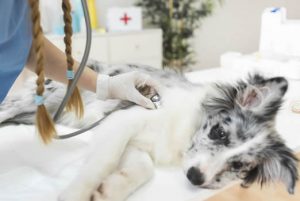
After the chip is inserted, the vet uses a microchip scanner to make sure it works. They pass the scanner over the area where the chip was implanted. If the chip is functioning properly, the scanner will show a unique ID number. This test is very important because it confirms that the chip is active and readable.
If there’s a problem with scanning, it can be fixed right away. By checking the chip immediately after insertion, the vet ensures your dog is properly identified before leaving the clinic. This final scan gives peace of mind to you and your vet.
Registration Is Completed In A Database
After implantation and testing, the chip must be registered in a pet recovery database. This step connects the chip’s ID number with your name, address, and phone number. Without registration, the chip won’t help someone return your dog if it’s lost. Some vets handle this for you, but in many cases, you must do it yourself online.
The database keeps your contact info private but makes it available to shelters or vets if your dog is found. Updating your details when they change ensures your dog always stays linked to you through their microchip.
How Can Someone Know The Dog Is Microchipped?
If your dog goes missing, or you find someone else’s dog, you can check if they’re microchipped by visiting a vet or animal shelter. They’ll scan the dog with a microchip reader to find the owner’s contact details. Here’s what they do step by step.
Look For A Tag On The Dog’s Collar
Some owners place a small tag on their dog’s collar that is the sign of dog microchipping. It may include the microchip number or the name of the chip provider. If you find a dog with such a tag, it’s a good first sign they are microchipped.
However, not all dogs wear tags or collars. Collars can break or fall off, especially when a dog runs away or is lost. So while this is a helpful first check, it’s not always reliable. Still, it’s worth looking for because it may give you instant access to the chip information or contact number.
Feel For The Microchip
Sometimes, especially in smaller dogs, you might be able to feel the microchip under the skin. It’s placed between the shoulder blades and feels like a tiny hard grain. Gently run your fingers across that area to see if you notice a small bump. However, not all chips can be felt easily, especially in larger or overweight dogs.
Over time, the chip may settle deeper under the skin and become harder to detect by touch alone. While this method can help give you a hint, it’s not a guaranteed way to confirm a microchip’s presence or function.
X-Ray The Dog
In rare cases, a dog microchipping may be hard to detect with a scanner—maybe due to a faulty chip or poor placement. When this happens, an X-ray can help locate the chip. Though it’s not a standard step, vets may use X-rays if they suspect a chip is present but can’t find it.
The chip appears as a tiny object on the image and confirms whether one is implanted. This method is more expensive and used only when necessary. It’s a good backup option when other ways of detecting the microchip don’t work but shouldn’t be your first choice.
Conclusion
A pet microchipping is a little step toward your dog’s safety. It offers a surety for lifetime that they are secure wherever they go. When your dog is microchipped, you can ensure that they can always find their way back to you.
At Atlas Pet Hospital, we can provide safe and expert microchipping services. You can keep your pet protected with our guidance and care. We also offer deworming for pets. So, don’t wait! Visit us!
Recent Comments